


















Plato Laches Courage: Know What Deserves Fear.
The Plato Laches courage debate asks what courage really is. Nicias argued it is knowing what inspires fear or confidence. However, the dialogue ends unresolved, and knowing alone may not make you act, but it still has to come first.
The soldier's answer.
Around 2,400 years ago, Plato wrote Laches, a short dialogue on what is courage philosophy at its root. Two Athenian generals try to answer. First, Laches gives a soldier's view in Benjamin Jowett's translation. Courage, he says, means staying at your post and fighting the enemy instead of running away.
Nicias and courage as knowledge.
Socrates pokes holes in that answer, so Nicias tries something cleverer. He defines courage as knowledge of what inspires fear or confidence, in war or anything. In short, this is courage as knowledge. Laches is not impressed, calling the talk strange.
Still, Nicias comes close to this chapter's idea. Courage means knowing what is actually worth fearing.
Why the Plato Laches courage debate stays open.
Socrates pushes the definition until it swallows every other virtue. Then he admits they have not discovered what courage is, and Nicias agrees. The Plato Laches courage question ends without an answer.
Diego breaks with the dialogue here, and calls this his own claim. Knowing what deserves fear is often not enough to act. But order matters, since you cannot judge a fear before you know what it is.
Apply Plato Laches courage to your list.
For each question on your page, mark whether you actually know the answer yet.
Choose one unknown and learn its real size before deciding whether it deserves fear.
From the book.
Socrates pokes holes in that, so the second general, Nicias, tries something cleverer: "courage is the knowledge of that which inspires fear or confidence in war, or in anything." Laches is not impressed. "How strangely he is talking, Socrates," he says. But Nicias is saying something close to this chapter's idea: courage is knowing what is actually worth being afraid of.
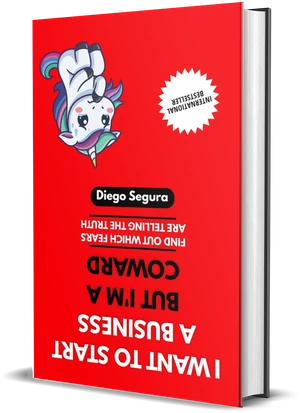
I Want to Start a Business but I'm a Coward, chapter 3: Unknown is not unlikely
Questions about Plato Laches courage.
What did the Plato Laches courage dialogue conclude?
It concluded nothing final. Socrates says they have not discovered what courage is, and Nicias agrees.
How did Laches define courage?
He said a courageous man does not run away but stays at his post and fights the enemy.
Why was Nicias only half right?
Knowing what deserves fear may not make you act. However, you still need that knowledge before judging any fear.
Read the whole chapter.
This lesson covers one section of chapter 3, “Unknown is not unlikely”. The book goes further, with the full evidence, the stories and every exercise.
Lessons in this chapter.
- 01 Ellsberg Paradox: Why You Avoid the Unknown Jar.
- 02 Risk vs Uncertainty: Why the Unknown Pays.
- 03 Questions Before Starting a Business: Get One Number.
- 04 Ostrich Effect: Why You Avoid Answers That Sting.
- 05 Plato Laches Courage: Know What Deserves Fear.
- 06 Thales Eclipse Prediction: Unknown Is Not a Warning.
- 07 Are Entrepreneurs Ambiguity Averse: What We Know.
- 08 Startup Costs Higher Than Expected: What to Do Next.