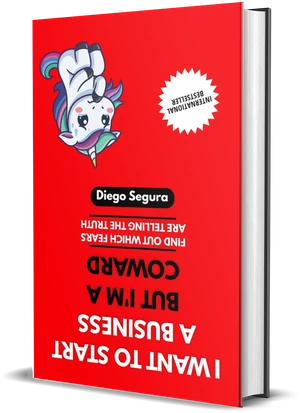
How fear affects risk perception: Why your odds bend.
This chapter shows how fear affects risk perception, starting with a frantic dash between two Oslo airports. For example, fear stretched a short flight into what felt like eight hours. Then the research arrives. In fact, fear, anger and even sadness push risk estimates in different directions, often for unrelated decisions. So the chapter hands you a simple exercise. First, you write your failure number, then you ask two business owners for theirs, and finally you average all three.
How fear affects risk perception when you judge your own idea.
Chapter 2: Afraid people see different odds
Fear distorts sense of time: The Oslo airport lesson.
Fear distorts sense of time, and it bends other numbers in the same way. In this story, a flight of about an hour and a half felt like eight hours. So the failure number that appears at night may feel like knowledge, but it isn't.
Should i trust my fear: What the calm stranger missed.
Should i trust my fear? Partly, because fear can correctly tell you that a real problem exists. However, it also bends the numbers you attach to that problem. So the answer is to trust no single number fully, least of all one with your feeling inside.
Fear vs anger risk taking: Why feelings bend numbers.
Fear vs anger risk taking studies show the two feelings push estimates in opposite directions. Fearful people give pessimistic risk estimates, while angry people give optimistic ones. Also, sadness can raise estimates for risks unrelated to what made you sad.
Checking how fear affects risk perception with three numbers on one page.
Estimate business failure odds: The blind odds test.
To estimate business failure odds more honestly, write your gut number before anyone else's can reach you. Then send a fact-only description to two people who have run a business. Finally, average the three numbers and note how far your mood moves your own.
Wisdom of the crowd within: Why averages beat picking.
The wisdom of the crowd within is the finding that averaging two guesses from one person beats either guess alone. Because errors in different directions partly cancel, averaging your number with outsiders' numbers works even better than trusting yours or picking theirs.
Limits of emotion research: What it can't say about you.
The limits of emotion research are real, and the chapter names them openly. Many studies used students or volunteers with feelings stirred up briefly. Also, no study measured how fear changes a would-be founder's estimate of their own business.
Ask business owners for advice: Fixes for common snags.
When you ask business owners for advice, you may hit snags. You may know nobody, want secrecy, or get numbers far from yours. In each case, you adjust the request, keep your first number, and still average all three.