


















Ashamed of my finances: Finish the Column Anyway.
If you think "I am ashamed of my finances", the numbers are a record, not a verdict on you. Write the figure, set the page down, and return tomorrow. Also, gaps and good reasons for waiting still belong in the column.
When records are missing.
Maybe you cannot find old bank statements. Then use whatever you have, even one year. Also, ask your bank for older ones. Mark estimates with a question mark, because a column with honest gaps beats one never written.
If you feel ashamed of my finances while writing.
Shame often shows up here. However, a record helps only if you can look at it without flinching. So write the number and walk away if needed. Being ashamed of my finances is a feeling, while the page is simply information.
Credit for what the time and money bought.
Your hours may have gone to children, an ill parent or a friend. Then they belong in the right column, possibly as its most valuable line. Also, savings kept as an emergency fund bought survival, so count that gain. Sometimes the column shows when waiting is the right decision, and for these years, it was.
Finish the column even if you feel ashamed of my finances.
Write every number you have, and mark each estimate with a question mark.
Read your bottom sentence aloud and ask if you would accept that trade for three more years.
From the book.
The numbers make you feel ashamed. They are not a verdict on your character. They are a record, and a record is only useful if you can look at it without flinching. Write the number, put the page down, and come back to it tomorrow if you need to.
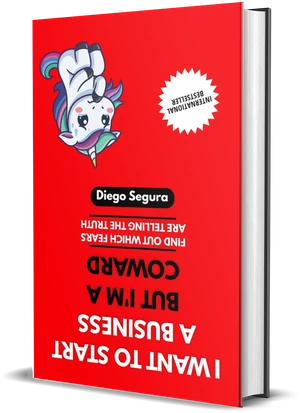
I Want to Start a Business but I'm a Coward, chapter 9: The price of the safe choice
Questions about ashamed of my finances.
What if I feel ashamed of my finances after the exercise?
Treat the numbers as a record, not a judgment. Put the page down and come back tomorrow.
What if the column shows waiting was right?
Then, for those three years, it was. A checked caution is worth more than an unchecked one.
What if I feel nothing at all?
Read the bottom sentence aloud and ask whether you would repeat the trade. If you hesitate, the column is working.
Read the whole chapter.
This lesson covers one section of chapter 9, “The price of the safe choice”. The book goes further, with the full evidence, the stories and every exercise.
Lessons in this chapter.
- 01 Losses loom larger than gains: Why You Refuse Good Bets.
- 02 Emergency fund before starting a business: Smart Order.
- 03 Opportunity cost neglect: The $300 You Never See.
- 04 Loss aversion criticism: How Solid Is the Twice Rule.
- 05 Ronald Wayne cofounder: Shrink the Risk, Don't Flee.
- 06 Opportunity cost exercise: Write Your Other Column.
- 07 Ashamed of my finances: Finish the Column Anyway.