


















How Long Have I Been Planning: The Sentence Audit.
How long have I been planning is the question the sentence audit answers with outside evidence. First, write the real sentence you use and the year you first said it. Then ask one person what they remember you actually doing about it.
Write down the words you really use.
Write down the exact sentence that comes out at dinners and in car journeys. Keep the hedges and the small shrug at the end. The author's was "I'm launching an automated go-to-market engine for software teams." He said it for months with a straight face.
How long have I been planning, in years.
Underneath, write the year you first said that sentence to another person. If unsure, write the earliest year you are certain of. However, the true year is earlier. So ask how long have I been planning honestly, because eighteen months is a plan and four years is a fixture.
One answer from somebody else.
Next, find one person who heard it back then. Ask a friend for honest feedback with one question: what do you remember me actually doing about it? Then write their words without arguing or helping them. In short, it becomes the "reality check on my business plan" you could never give yourself.
Answer how long have I been planning tonight.
Write your real sentence word for word, then the earliest year you are sure you said it.
Message one person who heard it then and ask what they remember you doing.
From the book.
Now the part that costs something. Find one person who heard you say it back then, and ask them a single question: what do you remember me actually doing about it? Write their answer down in their words, without arguing with them, without explaining yourself, and without helping them remember.
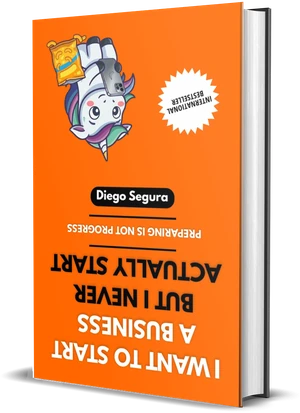
I Want to Start a Business but I Never Actually Start, chapter 1: The gap between wanting and doing
Questions about how long have i been planning.
How long have I been planning, and why does the year matter?
The year matters more than the sentence. At four years, people stop registering it, the way you stop hearing a fridge.
Should I polish my sentence first?
No. Write the real one, with the same hedges, not a version for a stage.
Why is the other person's answer so valuable?
Because it is the only account of your project that has ever been through somebody else.
Read the whole chapter.
This lesson covers one section of chapter 1, “The gap between wanting and doing”. The book goes further, with the full evidence, the stories and every exercise.
Lessons in this chapter.
- 01 Wanting It Badly Is Not Enough: The Boston Lesson.
- 02 Global Entrepreneurship Monitor Data: The Real Gap.
- 03 Unlaunched Business Ideas: Why They Leave No Trace.
- 04 Does Intention Predict Action: What Evidence Says.
- 05 Busy Work vs Real Progress: Who Can Say No.
- 06 How Long Have I Been Planning: The Sentence Audit.
- 07 Nobody Remembers My Business Idea: What It Means.