


















Busy Work vs Real Progress: Who Can Say No.
Busy work vs real progress was the whole difference between six months and a business. The author worked hard, but every contact was someone who could not say no. Meanwhile, the hundred and twenty possible buyers on his list were never contacted.
Six months of people who could not refuse.
The author contacted people almost every week and built real things. However, vendors want your business, so they answer. Developers enjoy architecture problems, and a colleague praises positioning because agreeing costs nothing. So none of it involved asking strangers to buy at a price.
Busy work vs real progress in one sort.
The difference was not effort, skill or quality, since the product was genuinely good. Instead, every action went to people with no reason to refuse. To sort busy work vs real progress, ask who had the power to disappoint you. A friend, a course, a template or your logo designer cannot.
Why it was mistaken for progress.
All of it felt like progress, and that is the costly part. It did not feel like hiding, because something new was on screen each evening. Yet feeling productive but not progressing can last for years. So the closing question is what you have built that nobody was asked to pay for.
Sort busy work vs real progress tonight.
List everyone you talked to about this project in the last six months.
Mark which of them had the power to disappoint you, then count the marks.
From the book.
That's the whole difference between my six months and a business. Not effort, not skill, and not the quality of the thing, which was genuinely good and might well have sold. The difference is that every action I took was addressed to people who had no reason to refuse me, while the single act that would have put me in front of somebody with every reason to refuse stayed inside a tab that I closed.
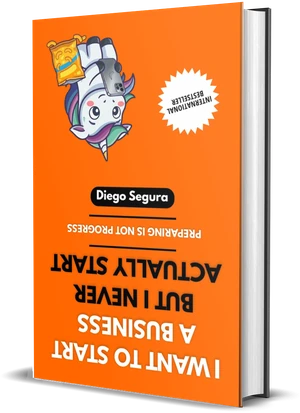
I Want to Start a Business but I Never Actually Start, chapter 1: The gap between wanting and doing
Questions about busy work vs real progress.
What separates busy work vs real progress in this chapter?
Whether the people you contact have any reason to refuse you. Real progress faces someone who can say no.
Was the toolkit bad?
No. The author says it was genuinely good and might well have sold.
Why did the busy months feel like starting a business?
Because it was real work, and each evening something new appeared on the screen.
Read the whole chapter.
This lesson covers one section of chapter 1, “The gap between wanting and doing”. The book goes further, with the full evidence, the stories and every exercise.
Lessons in this chapter.
- 01 Wanting It Badly Is Not Enough: The Boston Lesson.
- 02 Global Entrepreneurship Monitor Data: The Real Gap.
- 03 Unlaunched Business Ideas: Why They Leave No Trace.
- 04 Does Intention Predict Action: What Evidence Says.
- 05 Busy Work vs Real Progress: Who Can Say No.
- 06 How Long Have I Been Planning: The Sentence Audit.
- 07 Nobody Remembers My Business Idea: What It Means.