


















How others see your failures: Collect Verdicts.
You can learn how others see your failures by collecting their verdicts on other people's failures. The exercise takes about fifteen minutes. Then you sort what you hear into curiosity, worry or contempt, because each needs a different reply.
Two verdicts side by side.
On the page from chapter 1, write the last time someone you know failed in front of others. Then write what you thought of them then, and now. Next, write the verdict you fear for yourself, using the exact blunt words from late at night. If your pattern matches the research, the second will be noticeably harsher.
Hearing how others see your failures.
Then message one person who isn't on your list of three. Ask: "What's the most embarrassing thing you've seen someone you know go through at work, and did it change what you thought of them?" Copy their words onto the page. So you get the nearest thing to hearing in advance how a failure of yours would be judged.
If a reply is cruel, write it down anyway, because it tells you something real about one person.
Curiosity, worry and contempt.
A kind verdict does not always sound kind. For example, a family reaction to business failure may be a parent asking how you'll pay the rent. That is worry vs contempt in practice: worry comes from fear on your behalf, while contempt aims to make you smaller. Therefore answer curiosity with an answer, and answer worry with a plan.
Gather how others see your failures tonight.
Write your two verdicts on the chapter 1 page and circle the harsher one.
Then send the exact question to one person off your list and copy their reply word for word.
Questions about how others see your failures.
How can I find out how others see your failures before I fail?
Ask people about failures they have watched in others, and copy their verdicts down. It is the closest preview you can get.
What if they are only being nice?
Ask whether you would say something you didn't mean to a sincere question. Most people wouldn't.
Is my parent's worried question a sign of contempt?
Usually not, because worry often comes from people who care and are frightened for you. The useful reply to worry is a plan.
Read the whole chapter.
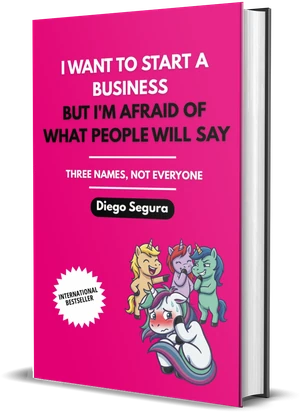
This lesson covers one section of chapter 3, “Kinder than you think”. The book goes further, with the full evidence, the stories and every exercise.
Lessons in this chapter.
- 01 Is vulnerability a weakness: The Gap You Can Test.
- 02 Beautiful mess effect: Others See Courage.
- 03 Why am I so hard on myself: Two Reasons.
- 04 How others see your failures: Collect Verdicts.
- 05 CV of failures: What One Researcher's List Showed.
- 06 Leaders admitting weakness: When It Costs You.
- 07 Froze in an interview: What He Really Saw.