


















Water Diamond Paradox: Cost Is Not the Buyer's Value.
The water diamond paradox shows that usefulness and price often come apart. Water is vital but cheap, while diamonds are barely useful yet costly. So what your work costs you and what it is worth to a buyer are two separate questions.
What Smith wrote in 1776.
In 1776, Adam Smith wrote that things with great value in use often have little value in exchange. Nothing is more useful than water, he noted, but it will purchase scarce anything. However, a diamond has scarce any value in use, yet it can buy many other goods.
Reading the water diamond paradox carefully.
Value in use vs value in exchange is the core distinction here. The first is what a thing does for you. The second is what somebody will hand over to get it. Also, notice that Smith says frequently, not always. So he is not claiming the two are unrelated, only loosely linked.
Your invoice answers the wrong question.
The Adam Smith paradox of value is your pricing problem written long before you had it. Because the link is loose, you cannot reason from your cost to the buyer's value. Instead, you have been answering the cost question and putting that answer on the invoice.
Apply the water diamond paradox to your offer.
Write one line on what your work costs you to deliver.
Then write a separate line on what it does for the buyer.
From the book.
Value in use is what a thing does for you, and value in exchange is what somebody will hand over to get hold of it, and I have watched people conflate those two for most of my working life. Smith's point is that the two come apart constantly, and that if you assume they track each other you'll be wrong in ways you cannot see.
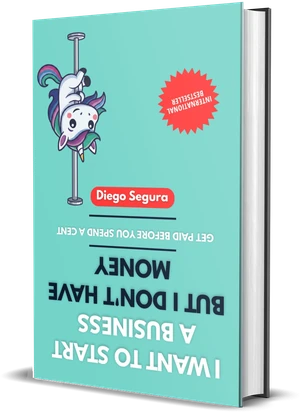
I Want to Start a Business but I Don't Have Money, chapter 7: Why you will price too low
Questions about water diamond paradox.
What is the water diamond paradox?
Adam Smith observed that water is very useful but cheap, while diamonds are barely useful but expensive.
Did Smith say use and price are unrelated?
No, he said they come apart frequently, not always. The link is loose, so you cannot reason from one to the other.
How does this apply to pricing my work?
Your cost and the buyer's value are different questions. Therefore pricing from cost answers the wrong one.
Read the whole chapter.
This lesson covers one section of chapter 7, “Why you will price too low”. The book goes further, with the full evidence, the stories and every exercise.
Lessons in this chapter.
- 01 Why Freelancers Undercharge: The Number Comes From You.
- 02 Anchoring Effect Experiment: Your Cost Is the Wheel.
- 03 Price Placebo Effect: What the Evidence Really Shows.
- 04 Penetration Pricing Risks: Why Cheap Can Sink You.
- 05 Water Diamond Paradox: Cost Is Not the Buyer's Value.
- 06 When to Raise Your Prices: The Cost of Waiting.
- 07 Gabor Granger Method: Test a Higher Price Tonight.
- 08 What Your Price Says About You: Read It Cold.