


















Gabor Granger Method: Test a Higher Price Tonight.
The Gabor Granger method is a simple yes or no price test, published in 1964. You ask eight or ten likely customers whether they would buy at rising prices. As a result, you get a rough demand curve for one thing you sell.
Running the Gabor Granger method on one product.
First, pick one thing you sell, not your whole catalogue. Work out what you would need to believe for a higher price to be right. Then name a price above your current one and ask for a yes or no. If they say yes, go higher. If they say no, come down until each person stops.
Asking from the other direction.
Next, use van westendorp price sensitivity questions from the nineteen-seventies. Ask when it is too expensive, getting expensive, a good deal, and suspiciously cheap. That last question reveals your real floor. However, both methods measure what people say, not what they do. So treat results as an upper bound and test with real buyers.
Three warnings before you raise anything.
Raising a price is a promise, so your delivery must improve too. Also, some customers will leave. Around sixty-five per cent of small businesses raised prices, and thirty-eight per cent saw demand fall. Therefore do the raise prices lose customers math on paper: ten per cent higher, ten per cent fewer.
You may also hear that one per cent more price yields eleven per cent more operating profit. That figure is attributed to McKinsey, but the study could not be found. So treat it as folklore.
Run a Gabor Granger method test this week.
List eight or ten people who resemble the customers you actually want.
On paper, calculate profit if price rises ten per cent and customers fall ten per cent.
From the book.
So do the arithmetic before your fear does it for you. If you raise your price by ten per cent and lose ten per cent of your customers, does your profit rise or fall? Work it out on paper rather than in your head. Most people have never once done that sum, and in my experience it's the sum that ends the argument.
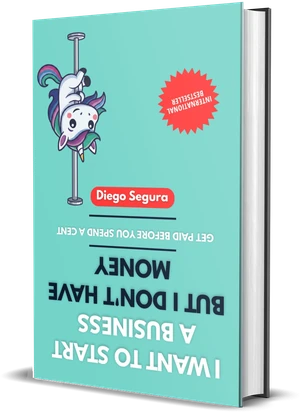
I Want to Start a Business but I Don't Have Money, chapter 7: Why you will price too low
Questions about Gabor Granger method.
How does the Gabor Granger method work?
You ask people a yes or no at a price, going higher after yes and lower after no.
What do the van Westendorp questions add?
They show price limits from both sides. Also, the too-cheap question reveals where your floor actually sits.
How many customers will I lose if I raise prices?
There is no reliable universal figure. Instead, work out on paper whether your profit rises or falls.
Read the whole chapter.
This lesson covers one section of chapter 7, “Why you will price too low”. The book goes further, with the full evidence, the stories and every exercise.
Lessons in this chapter.
- 01 Why Freelancers Undercharge: The Number Comes From You.
- 02 Anchoring Effect Experiment: Your Cost Is the Wheel.
- 03 Price Placebo Effect: What the Evidence Really Shows.
- 04 Penetration Pricing Risks: Why Cheap Can Sink You.
- 05 Water Diamond Paradox: Cost Is Not the Buyer's Value.
- 06 When to Raise Your Prices: The Cost of Waiting.
- 07 Gabor Granger Method: Test a Higher Price Tonight.
- 08 What Your Price Says About You: Read It Cold.