


















Selling Stuff at School as a Kid: The Watch Lesson.
Selling stuff at school as a kid showed the author the gap between a favour and a transaction. Before that, every deal had been backed by family who would say yes anyway. Ten watches, bought with every coin he had, forced him to ask people who could refuse.
The sandbox you may still be playing in.
Before the watches, the author's commercial life was chores sold to his parents and favours traded with cousins. However, somebody who loved him underwrote every one of those deals. So none of them was really a transaction. You have probably run a sandbox like this yourself, even if you never called it that.
Ten watches and a hundred per cent of everything.
Then he found a discount distributor downtown selling good-looking watches at a low price. He did not know the words gross margin. Still, he saw that one number was small and another could be larger. That evening he emptied his desk drawer, and it paid for exactly ten watches.
This was his first real business, and the amount was trivial. However, the proportion was total, because investing all your savings at once leaves nothing behind. He walked to school carrying everything he owned in one bag.
What lunch hour taught about selling stuff at school as a kid.
He spent the whole morning not opening the bag, because his stomach closed at the thought. At lunch he made himself show two classmates. Then he said the only true thing he had: it cost far less than it looked. The first one bought without hesitating.
After class he pitched his teacher, who smiled and bought one too. By Friday the bag was empty, and he had roughly doubled everything he owned.
Find your own lesson from selling stuff at school as a kid.
List three past deals where the other person was always going to say yes, and label them sandbox.
Write one sentence that honestly says what your offer is worth, the way the author described his watches.
From the book.
I showed two classmates the design and said the only true thing I had, which was that it cost far less than it looked as though it cost. The first one bought a watch without hesitating. He barely paused. Something happened in my chest that I have spent the rest of my life trying to get back.
I Want to Start a Business but I Don't Have Money, chapter 5: The first dollar
Questions about selling stuff at school as a kid.
What did selling stuff at school as a kid teach the author?
It taught him that favours from people who love you are not transactions. A real sale needs someone free to refuse.
How much did he risk on the watches?
He spent everything he had ever saved, exactly enough for ten watches. That was a hundred per cent of his net worth.
Who were his first buyers?
Two classmates came first, and the first bought immediately. Then, after class, his teacher bought one as well.
Read the whole chapter.
This lesson covers one section of chapter 5, “The first dollar”. The book goes further, with the full evidence, the stories and every exercise.
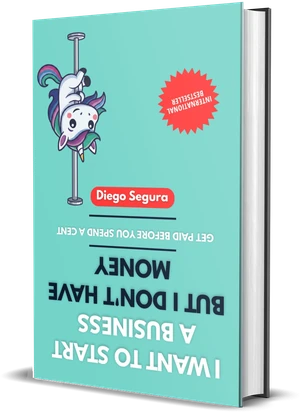
Lessons in this chapter.
- 01 Selling Stuff at School as a Kid: The Watch Lesson.
- 02 What Counts as a Real Sale: Money From a Stranger.
- 03 People Underestimate Compliance: How Many Say Yes.
- 04 Implementation Intentions: Turn a Wish Into Thursday.
- 05 Social Rejection Physical Pain: Why a No Hurts.
- 06 Does Selling to Family Count: Why Your Mother Is Not a Market.
- 07 Homemade Pickle Business: Four Kilograms to a Company.