


















Productizing pitfalls: three things that break.
Three productizing pitfalls break most packaged services. Your offer turns out too rigid, your existing clients resist the change, and you never actually stop the custom work. The fix is deciding in advance what the product must reach first.
Say no to the fourth client.
Is your productized offer too rigid for some buyers? For the author, every fourth client had an edge case the standard version could not hold. Each exception pulled him back into custom work. However, the fix is not widening the package for everyone. Instead, say no and keep it narrow enough to deliver, losing revenue on purpose.
Productizing pitfalls with your best clients.
Clients paying for bespoke attention may read the standard version as a downgrade. Research on productization says standardising reduces the feeling of individualisation. It can also cost the authenticity you were selling. So expect to lose some demanding, best-paying customers. That loss is one of the productizing pitfalls that shows the mechanism working, not failing.
Write the stop number down now.
The most common trap is that you never stop. You take one more engagement, then another, and no slide feels like a decision. So knowing when to stop consulting for a product means more than organising your calendar. Decide what the product must reach before you turn the service off, and write that number down while your judgement is clear.
You will not decide well at eleven at night with a fifteen thousand dollar wire waiting. That is the last of the productizing pitfalls, and stopping is the door out of selling hours.
Guard against productizing pitfalls tonight.
Write the number your product must reach before you turn the service off.
Draft a polite reply declining one edge case that falls outside your package.
From the book.
You never actually stop. This is the one that got me and it's easily the most common. You don't decide to abandon your product. You simply take one more engagement, and then another, and your build slides another month, and not one moment of that slide ever feels like a decision. Mullins says to segregate the two offerings, and I now think he means something harder than organising your calendar. He means deciding in advance what the product has to reach before you turn the service off, and writing that number down while your judgement is still clear.
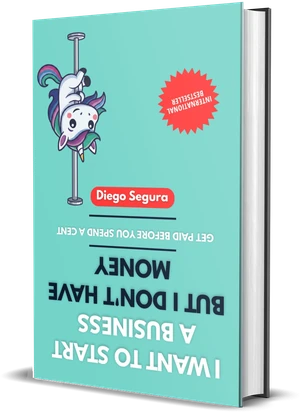
I Want to Start a Business but I Don't Have Money, chapter 8: The service to product pivot
Questions about productizing pitfalls.
What are the most common productizing pitfalls?
A rigid offer, resistant existing clients, and never actually stopping the custom work.
Should you widen the package to fit every client?
No. Keep it narrow enough to deliver, even if that means losing some revenue on purpose.
When should you decide to stop the custom work?
Decide in advance, while your judgement is clear. Write down what the product must reach first.
Read the whole chapter.
This lesson covers one section of chapter 8, “The service to product pivot”. The book goes further, with the full evidence, the stories and every exercise.
Lessons in this chapter.
- 01 Consultant stuck trading time for money: why it stalls.
- 02 Service to product model: build for one, sell to all.
- 03 Productized service vs product: pick the right rung.
- 04 Basecamp origin story: one year versus six.
- 05 What service to productize: the one you repeat.
- 06 Why side products never launch: two clocks at once.
- 07 Productizing pitfalls: three things that break.