















Flexibility stigma at work: the real cost of staying.
Flexibility stigma at work is well documented, and it is one strong reason staying may not be safe. Also, gains from new arrangements fade, and granted terms can be withdrawn. In short, this chapter's case for staying has genuine weaknesses worth weighing.
Gains that fade over time.
A 2025 study followed people who moved to working from home. The rise in job satisfaction was gone entirely after four years, eaten by loneliness. So remote work loneliness is one of the real downsides of working from home. The measured effect on satisfaction fell by more than two thirds between 2020 and 2023.
Granted can mean taken back.
Quitting is not reversible, but arrangements are. An arrangement granted to you can be withdrawn, usually when the manager who granted it moves on. That state is called nominal flexibility. Some argue it is worse than none, because you rearranged childcare and evenings around something removable on a Tuesday.
The price of flexibility stigma at work.
People who use flexible arrangements get rated as less committed and less promotable. They also carry wage and progression penalties, while women are penalised more than men for the same request. In Korean data, flexible arrangements raised the chance of a poor performance rating. So this helps explain why only four point one per cent ever asked.
The British equality commission found nearly two in five women never asked, because they feared flexibility stigma at work. Still, your salary is also held on someone else's sufferance.
Weigh flexibility stigma at work before you ask.
Write down how your workplace treats people who already use flexible arrangements.
List what you would rearrange around a new arrangement, and what happens if it ends.
From the book.
The gains are reversible. Quitting is not. That asymmetry is real. An arrangement that was granted to you is an arrangement that can be withdrawn from you, and it usually goes when the manager who granted it moves on. There's a phrase for the state this leaves you in, which is nominal flexibility, and the argument runs that it's worse than having none at all, because by then you've rearranged your childcare and your evenings around something that can be taken back on a Tuesday.
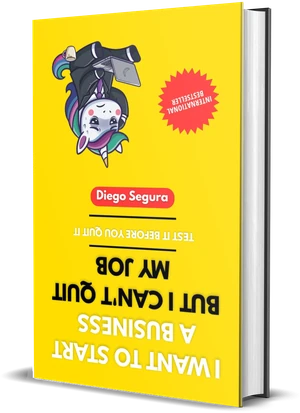
I Want to Start a Business but I Can't Quit My Job, chapter 13: Staying is allowed, and it can be the win
Questions about flexibility stigma at work.
How serious is flexibility stigma at work?
It is well documented, with lower commitment ratings and wage and progression penalties. Also, women are penalised more than men for the same request.
Do the benefits of working from home last?
One 2025 study found the satisfaction gain gone after four years. It was eaten by loneliness.
Is staying ever permanent?
No, but neither is your current salary or arrangement. So the question is whether an unasked version of staying beats an unpriced version of leaving.
Read the whole chapter.
This lesson covers one section of chapter 13, “Staying is allowed, and it can be the win”. The book goes further, with the full evidence, the stories and every exercise.
Lessons in this chapter.
- 01 How to ask your boss for changes: the odds favour you.
- 02 William Morris useful work: the three hopes test.
- 03 Four day week trial results: promise and limits.
- 04 Flexible working request letter: number, date, review.
- 05 Job crafting: add the good, claim the training money.
- 06 Self employed median income: the hidden hourly gap.
- 07 Flexibility stigma at work: the real cost of staying.
- 08 Part time request denied: what Rasmus Dall did next.