


















Telling family about first sale: what changes.
Telling family about first sale news changes the talk, because you report a fact instead of a hope. Somebody with no obligation decided your offer was worth their money. If strangers say no, keep going to ten offers.
From describing a hope to reporting a fact.
Until now, you asked your family to believe in something that existed only in your head. So many first reactions, like "be careful", were about risk, not you. After a stranger pays, that changes. As a result, the first sale changes family conversations, because the business already exists.
Telling family about first sale in one plain sentence.
The good news from chapter 8 now has something real in it. Also, the secret from chapter 9 has less reason to stay hidden. Start with whoever you're least sure of on your page. Then say what you sold, to whom, and for how much. Some will be delighted, while one may say something that stings. However, the fact stays sturdier than their opinions.
When the first answers are no.
Set yourself a number before you start, so one refusal never decides alone. The book's goal is one stranger paying you within ninety days. In the author's view, ten offers to ten strangers is a fair test. If all ten say no, change the offer. But if one says yes, make the second offer to the second stranger.
Prepare for telling family about first sale news.
Write the order you'll tell your three names, starting with the one you're least sure of.
Then draft your one sentence: what you sold, to whom, and for how much.
From the book.
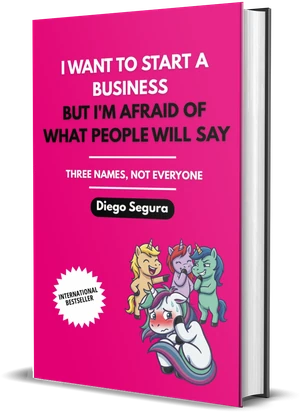
Until now, every time you talked to those people about the business, you were asking them to believe in something that existed only in your head. That is a considerable thing to ask of anyone, and it's why so many of their first reactions, the "be careful" and the "are you sure?", were really about the risk rather than about you. After a stranger pays, you are no longer describing a hope. You are reporting a fact. Somebody with no obligation to you examined what you offered and decided it was worth their money.
I Want to Start a Business but I'm Afraid of What People Will Say, chapter 11: The stranger who hasn't heard of you
Questions about telling family about first sale.
How should I go about telling family about first sale news?
Tell them in one plain sentence, in page order, then let them react however they react.
What if the first stranger says no?
Set a number before you start, because ten honest offers make a fair test of your price.
How long does the book give you?
The goal is one stranger paying you within ninety days, which leaves room for many offers.
Read the whole chapter.
This lesson covers one section of chapter 11, “The stranger who hasn't heard of you”. The book goes further, with the full evidence, the stories and every exercise.
Lessons in this chapter.
- 01 Stranger has no opinion of you: why that frees you.
- 02 Epley Schroeder talking to strangers: what they found.
- 03 Selling to friends and family: why it proves little.
- 04 How to write a sales offer message: send one today.
- 05 International student loan approved: the London lesson.
- 06 Telling family about first sale: what changes.