


















Personal means inventory: three columns, one phone.
A personal means inventory is one sheet with three headings: who I am, what I know, whom I know. Fill the third from your phone, not memory. Then watch for three mistakes: compliments, ghosts and a list that looks thin.
Who you are and what you know.
Start your personal means inventory with three headings across a sheet of paper. Under the first, write what you are actually like when you work. Skip virtues, because nobody has ever paid for those. Instead, get specific: stubborn about detail, fast in a room, unable to leave a broken thing alone. Under the second, write everything you can do without looking it up.
Why your phone beats your memory.
For the third column, open your contacts and two years of email, then write names as you find them. Mark Granovetter established in 1973 that more than half of people found their job through a personal contact. The useful ones were rarely close friends, since those know roughly what you know. That pattern is the strength of weak ties at work. Also, a 2022 LinkedIn study found moderately weak contacts mattered most, around ten mutual connections.
Three mistakes in a personal means inventory.
First, the list turns into compliments, and "I am hard-working" is a mood, not a means. Every line needs evidence you could show if challenged. Second, the third column fills with ghosts you have not spoken to in four years. Finally, the finished page will look thin, because you have adapted to your own abilities. So list your skills and contacts anyway, and hold your conclusions loosely.
Build your personal means inventory before bed.
Scroll your phone contacts and two years of email, writing every name you find.
Cross out any line that would not survive someone saying show me.
From the book.
The first is that your list turns into a compliment. "I am hard-working" isn't a means, it's a mood, and nobody has ever been invoiced for a mood. "I can build a website" is a means, because somebody could pay you for it on Tuesday morning. Every line has to be something you have actually done, with evidence you could point at if somebody challenged you on it. If a line would not survive being asked show me, then cross it out.
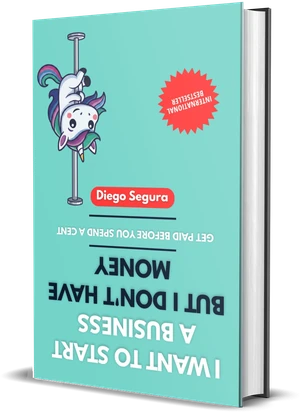
I Want to Start a Business but I Don't Have Money, chapter 3: The bird in hand: you already have what you need
Questions about personal means inventory.
How many names belong in a personal means inventory?
More than you think, because people describe eleven names while their real network runs to a couple of hundred.
Does writing the list change what founders do next?
Nobody knows, because that study has never been done. A 2009 meta-analysis of nearly two thousand people found only a correlation for the who-I-am part.
What counts as a real contact?
Someone you could message today, ask for something specific, and not want to die afterwards. Otherwise, they belong on a different page.
Read the whole chapter.
This lesson covers one section of chapter 3, “The bird in hand: you already have what you need”. The book goes further, with the full evidence, the stories and every exercise.
Lessons in this chapter.
- 01 How expert entrepreneurs think: start from your means.
- 02 Effectuation criticism: the risk in your own hands.
- 03 Entrepreneurial bricolage: when making do stops working.
- 04 Monetize skills you give away free: the hidden price.
- 05 Kevin Irungu 3D printing: starting with one socket.
- 06 Personal means inventory: three columns, one phone.